
Truancy Fines in The North, Post
Truancy Fines in The North Maningrida is in the news. The Maningrida Aboriginal community, 500km east of Darwin, along the coast, is up in arms about Truancy Fines for parents who do not get their children into school. The fine is about $AU350. It’s double that figure in Queensland! About 250 compliance notices were recently […]
Continue Reading...Mobiles Off and Away, Post
Mobiles Off and Away Mobile phones are banned across schools in Australia as of now, mid-2024. There is an exception to this rule. Mobile phones can be taken out of the lockers for learning purposes under a teacher’s supervision. Some claim the debate continues. Yet, recent evidence in Australia seems decisive: it’s a good policy. […]
Continue Reading...
Science in Time-Short Classrooms Simple Ways Science in Time-Short Classrooms has some ideas that are workable for busy teachers. It combines the science context with literacy lessons. Also, parents can follow these simple principles when teaching their own children in the home setting. 1 — A set reading piece on a science topic provides children […]
Grattan Institute Education Nonsense
Grattan Institute Education Nonsense Dr Jordana Hunter has a PhD — but not in Education. Hunter’s areas of study are in Social and Political Science, Law and Commerce. She is one of the authors of the Grattan Institute Education Guarantee Report released in February 2024. Anika Stobart, the co-author, has first degrees in law and […]
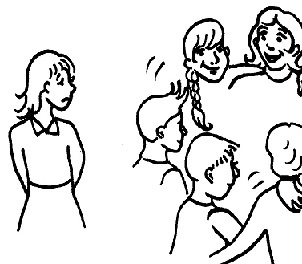
Autism and Schools Autism and Schools concern parents and teachers! How children with a Level 1 diagnosis are taught is of special concern. While the DSM-V removed Asperger’s Syndrome as a separate diagnosis, it includes it on the Autism Spectrum. It replaces Asperger’s with the name, Level 1 Autism, but the diagnostic descriptors are the […]
Continue Reading...PIRLS 2021 Results Steady, Post
Results of PIRLS 2021 show student achievement in reading is holding steady.
Continue Reading...NAPLAN Results 2022, Post
NAPLAN Results 2022 NAPLAN Results 2022 confirm the trend: for ten years literacy results indicate students are not moving forward between Grade 4 and Year 7. Australian schools are good at teaching early literacy. By Year 4, students can >decode the text on the page; >answer questions relating to the chronology of stories; >find explicit […]
Continue Reading...
Enquiry Learning Lacks Research Emeritus Professor John Sweller of UNSW questions the continuing extension of enquiry-based learning in the face of recent research findings about how humans learn. In https://www.cis.org.au/publication/why-inquiry-based-approaches-harm-students-learning/ Three earlier posts published since 2018 from a hands-on knowledge of enquiry tasks in schools. Enquiry Learning Needs Overhaul, Post Enquiry Tasks Have […]
Continue Reading...
Developmental Language Disorder Developmental Language Disorder, or DLD, is the subject of two recent research studies. Well reported on the internet including in The Conversation. The term replaces Specific Language Impairment (SLI). This change is found in the DSM-V (English) and does not necessarily apply to medical terms in all languages. DLD means a person […]
Continue Reading...Dyslexia and Early Literacy, Post
Dyslexia and Early Literacy Dyslexia and Early Literacy offers hints on how to improve the teaching of dyslexic students. Explain to the student that Our alphabet has twenty six letters. And there are other alphabets that have more letters. As we only have twenty-six letters, fifty two if we include capital letters, we use them […]